
Every home slowly collects buildup in places that homeowners rarely notice during everyday cleaning. Over time, these hidden layers can affect how fresh and comfortable a living space feels.
Understanding where buildup forms and why it develops can help homeowners manage their homes more effectively. Small awareness and routine habits often make a noticeable difference.
Why Hidden Buildup Develops Over Time
Many forms of household buildup develop gradually through everyday activities like cooking, showering, and simply living in the space. Dust, oils, moisture, and airborne particles settle in areas that aren’t always part of regular cleaning routines.
When these materials collect repeatedly in the same places, they begin forming layers that are harder to remove later. Homeowners often notice the results only when surfaces start looking dull, sticky, or discolored.
Everyday Sources of Buildup
Small daily habits contribute more to buildup than most people realize. Air circulation, humidity levels, and the materials inside a home can all influence how quickly buildup forms.
Common contributors include:
• Cooking oils and food particles released into the air
• Soap residue and moisture from bathrooms
• Dust carried through ventilation and open windows
• Natural skin oils transferred to surfaces
• Pet dander and fur settling into corners
Recognizing these sources helps homeowners better understand why buildup appears even in well-maintained homes.
Places Where Homeowners Commonly Miss Buildup
Some surfaces are cleaned frequently because they are visible and used daily. Others are overlooked simply because they are out of sight or require extra attention.
These overlooked areas can accumulate grime much faster than expected, especially when moisture or airflow is involved.
Often Overlooked Areas
Certain spots throughout a home quietly collect buildup over time.
Examples include:
• Cabinet tops and upper shelving
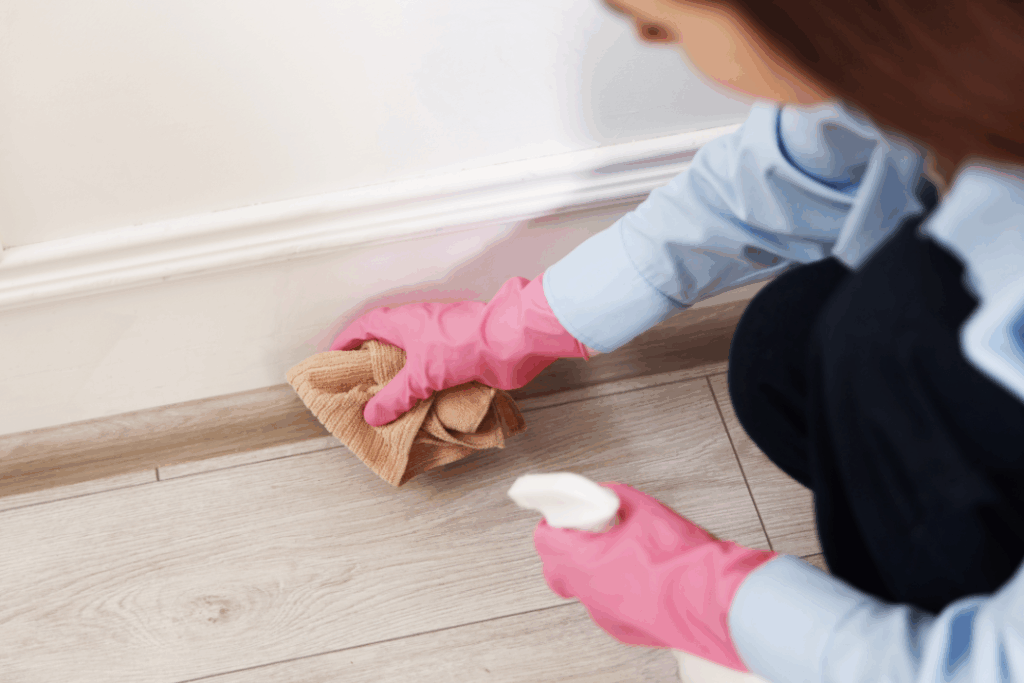
• Baseboards and trim edges
• Bathroom grout lines
• Door frames and light switches
• Areas behind small appliances
Checking these areas occasionally can help homeowners prevent buildup from becoming difficult to manage.
Practical Cleaning Strategies That Help
Addressing hidden buildup does not always require complicated cleaning methods. Often, consistency and the right approach make the biggest difference.
Many homeowners find that rotating attention to different areas of the home helps maintain overall cleanliness without feeling overwhelming.
Simple Strategies That Work
Breaking cleaning tasks into smaller, manageable steps often leads to better long-term results. Focusing on one category of surfaces at a time keeps routines practical.
Helpful strategies include:
• Wiping vertical surfaces where dust settles slowly
• Periodically checking corners and trim lines
• Cleaning areas above eye level during routine chores
• Rotating focus between rooms each week
For deeper maintenance tasks that address buildup across multiple areas of the home, homeowners sometimes explore options like scheduled assistance through a professional deep cleaning service to restore hard-to-reach surfaces.
Maintenance Habits That Prevent Long-Term Buildup
Preventing buildup is often easier than removing it once it becomes visible. Simple habits incorporated into weekly routines can significantly reduce how much accumulates over time.
Small preventive steps also help homeowners avoid spending large amounts of time on heavy cleaning sessions later.
Habits That Help Maintain Clean Surfaces
Maintenance routines do not need to be complex to be effective. Consistency is usually the most important factor.
Helpful habits include:
• Wiping moisture-prone areas after use
• Dusting surfaces from top to bottom
• Ventilating rooms during cooking or showering
• Periodically checking high or hidden surfaces
Over time, these small habits help maintain a home environment that feels cleaner and more comfortable.
Why Early Attention Makes a Difference
Hidden buildup rarely appears suddenly. Instead, it develops slowly until it becomes noticeable or difficult to remove.
Homeowners who pay attention to early signs often prevent surfaces from becoming heavily layered with grime. This awareness helps keep cleaning tasks manageable throughout the year.
Early Signs to Watch For
Recognizing subtle changes can help homeowners respond before buildup becomes stubborn.
Signs may include:
• Surfaces feeling slightly sticky
• Dust returning quickly after cleaning
• Discoloration around grout or trim
• Lingering odors in certain rooms
Identifying these signs early often means simpler cleaning solutions can still be effective.
Frequently Asked Questions
What causes buildup in areas that are rarely used?
Dust, airborne particles, and humidity still circulate through unused spaces, allowing buildup to form slowly over time.
How often should homeowners check hidden areas?
Most homes benefit from checking overlooked areas every few weeks or during regular cleaning rotations.
Does ventilation help reduce buildup?
Yes, improving airflow can help reduce moisture and airborne particles that contribute to buildup.
Why do some surfaces feel sticky even after cleaning?
Residue from soaps, oils, or cleaning products can accumulate if surfaces are not rinsed or wiped thoroughly.
Are certain rooms more prone to buildup?
Bathrooms and kitchens typically develop buildup faster due to moisture, cooking oils, and frequent use.
Can regular routines prevent heavy buildup?
Consistent small cleaning habits often prevent the thicker layers that develop when surfaces are ignored for long periods.
Why do high surfaces collect so much dust?
Dust particles naturally rise and settle on elevated surfaces where they are less likely to be disturbed.
Is hidden buildup common in most homes?
Yes, nearly every home experiences some level of hidden buildup simply from daily living.
Conclusion
Hidden household buildup develops slowly, but understanding where it forms and how it spreads helps homeowners stay ahead of the problem. By paying attention to overlooked areas and maintaining consistent routines, many cleaning challenges can be reduced before they grow.For homeowners who want to learn more about maintaining a well-cared-for living space, Garmans Cleaning shares additional information on their website.
Quote Form (Popup)
